
Others might bind to a CB2 receptor in your immune cells to signal that your body’s experiencing inflammation, a common sign of autoimmune disorders. Your body produces them as needed — making it difficult to know what typical levels are for each. They’re similar to cannabinoids, but they’re produced by your body.
Here is a framework that integrates CBD with evidence-based sleep hygiene. CBD works best as part of a consistent sleep routine — not as a standalone fix. Addresses both sleep timing (melatonin) and sleep barriers (CBD anxiety/tension reduction). If you try this combination — start with a low dose of each and adjust one variable at a time so you know what is actually helping. High cortisol at night is a known cause of insomnia and night waking, so cortisol reduction may directly improve sleep.
The ECS exists and is active in your body even if you don’t use cannabis. I can definitely see myself adding CBD to my nightly routine now. Over a period of four nights, I experimented with all of the tinctures at various doses to see how they affected me. If you’re looking for a sleep-supporting CBD oil without THC, Medterra’s Enhanced Relief tincture is one of the best THC-free options on the market.
Comparing the best CBD gummies for sleep
A study with an open label assessed the impact of THC on chronic PTSD (discovering enhancements in sleep quality and a reduction in the frequency of nightmares; nonetheless), some minor side effects such as dizziness and headaches were noted. A small trial controlled by placebo also revealed a decrease in nightmares. A different study focusing on patients with treatment-resistant PTSD reported a decrease in nightmare intensity alongside improvements in sleep quality and duration, as well as a reduction in flashbacks.
Check with your doctor about potential how modern retail businesses are evolving conflicts with your prescriptions and supplements before using cannabis. Herbal supplements like kava (melatonin), and St. John’s wort carry the same risk when combined with CBD. It increases time spent in deep sleep and may reduce nighttime awakenings through its effects on cortisol and anxiety. By lowering cortisol output, CBD may reduce middle-of-the-night awakenings. Once you’re sure that your body can handle it, you may consider increasing your dose to the recommended amount.
Don’t Just Test Your Sleep. Comprehend It.
We have also learned that the body can manufacture endogenous cannabinoids that act as chemical messengers, and using cannabis-based products have similar effects. This complex network of cannabinoid receptors is found throughout the body and in the central nervous system, where sleep is primarily regulated. Due to increased publicity on social media of the supposed benefits of this product (in addition to the lack of clear regulations), it is becoming a widely used treatment for sleep disorders.
When shopping for CBD — you want to make sure you’re buying a quality product brand from a reputable brand. The USP and NSF don’t oversee CBD products, so you’ll want to look for certifying agents that deal with CBD specifically. On the other hand, some, like melatonin, have more of a sedative effect that can leave you feeling drowsy if taken at the wrong time and/or in the wrong dose. However (if you want to use CBD during the day too), you might not want too many relaxation-inducing ingredients, especially melatonin, because of the potential for drowsiness. Just be mindful of the ingredients and the sugar content, especially if you’re taking them before bedtime. If you want to take CBD orally but don’t want oil — you can opt for gummies instead.
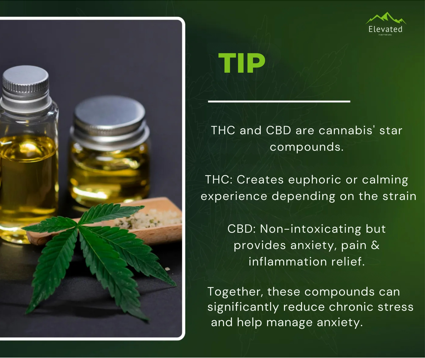
For instance, Δ9-THC, the mind-altering element of Cannabis, functions as a partial agonist of the cannabinoid receptors CB1 and CB2, whereas CBD, the second most prevalent phytocannabinoid, shows a limited affinity for CB1 or CB2 receptors, despite having the same molecular formula as Δ9-THC. Cannabinoids exert their effects within the body by modulating multiple targets simultaneously. We’ll use the data you choose to share to find connections and provide you with personalized — content-based insights to help you get the best sleep possible. As with any supplement or medication — it’s a good idea to talk with your doctor before you begin using CBD products.
“From my understanding, there have never been any prescription medications that have also been sold simultaneously in food and drink or as supplements,” says Babalonis. To some extent it’s because limited resources prevent the FDA from doing much more than issuing warning letters to companies. “You’re not going to face legal action for buying CBD products if you don’t break the federal law,” says Koturbash. Still, experts say prosecution is unlikely as long as users don’t buy CBD products that also contain levels of THC that exceed the federal limit. Experts also note the limited research on CBD thus far.
What Side Effects Can CBD Cause?
However — there remains a significant knowledge gap regarding the long-term effects of cannabis on overall sleep quality and its potential benefits for individuals with sleep disorders. According to Kolla, “at this time, cannabis products are not recommended for the treatment of sleep apnea or other sleep disorders.” “I believe that larger sample sizes evaluating one or two formulations that are effective for the majority of individuals are necessary to demonstrate both efficacy and safety – this will be vital for cannabinoids to be regarded as a first-line treatment,” stated Kolla. Results indicated that cannabis was effective for individuals experiencing both anxiety and depression (based on self-reports), with no variations observed across different age groups, oil versus flower forms, or strain preferences.
It is advisable to refrain from mixing CBD with other supplements unless it is medically required. For optimal sleep, daily intake before bedtime is recommended—unless CBD is being utilized for other purposes throughout the day. Typically, CBD tinctures take between 30 and 60 minutes to produce effects, occasionally longer depending on individual metabolism and formulation. If the administered dose does not yield results after a few nights, it is suggested to increase by increments of 5–10 mg every few nights until the ideal dosage is found. “In general — starting with a 25 mg dose of CBD is considered safe.” Although CBN is frequently promoted as a sleep aid (limited research exists to validate its effectiveness), with most evidence arising from combination treatments such as those examined in Dr. Walsh’s study.